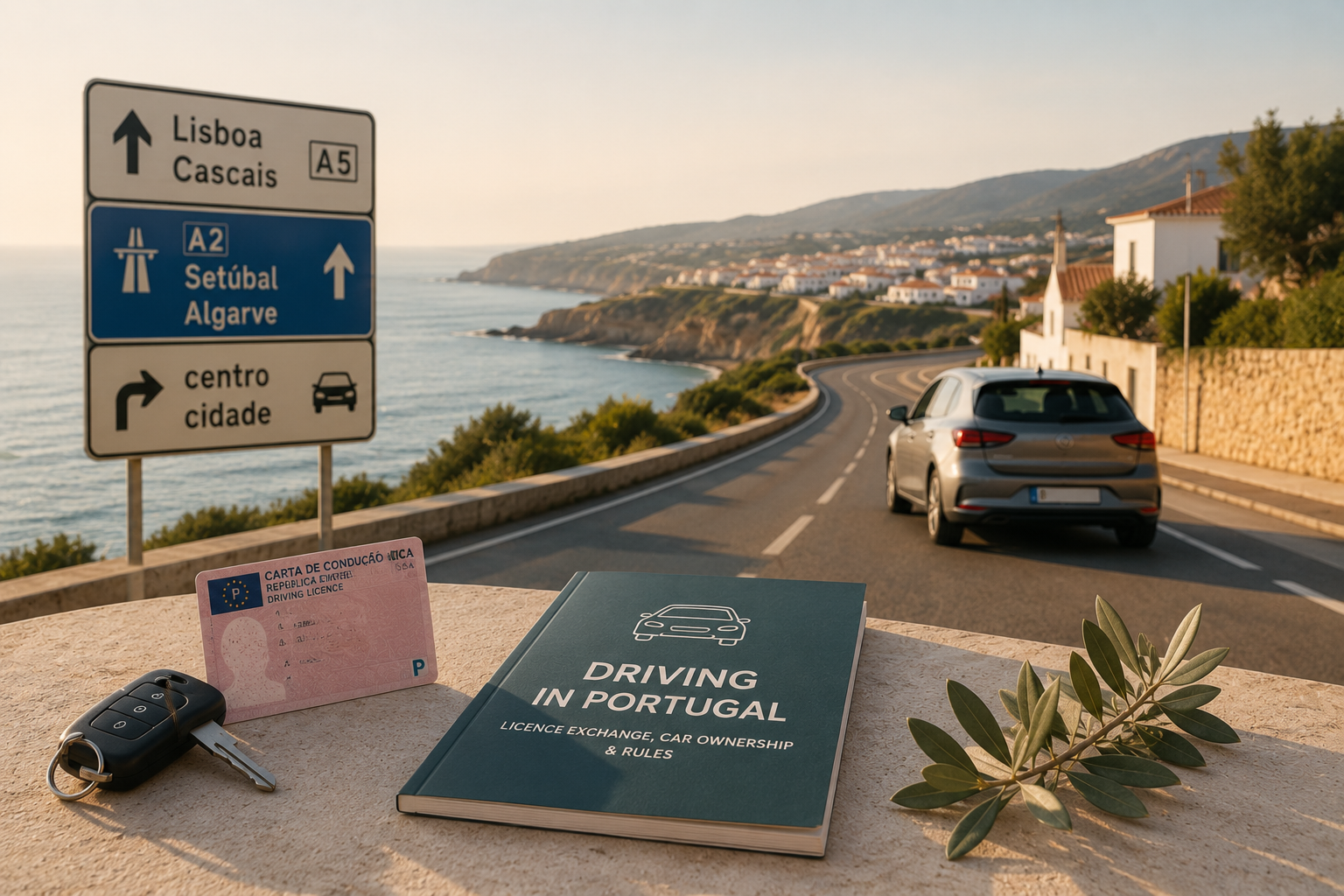
Driving in Portugal (2026): Licence Exchange, Car Ownership & Rules
For many expats, having a car is one of the easiest ways to explore Portugal and enjoy life outside the major cities. While public transport is excellent in Lisbon and Porto, many residents rely on a vehicle for commuting, travelling, and day-to-day convenience.
If you’re planning to move to Portugal, understanding the country’s driving rules, licence requirements, insurance obligations, and vehicle ownership costs is essential.
This guide explains everything expats need to know about driving in Portugal in 2026, including whether you can use your foreign driving licence, how licence exchanges work, and what to expect when owning a car.
Can foreigners drive in Portugal?
Yes. Foreigners can generally drive in Portugal using their existing driving licence for a certain period, depending on their nationality and residency status.
The rules differ for:
- EU and EEA citizens
- UK citizens
- US citizens
- Non-EU nationals
- New Portuguese residents
The most important factor is whether you become a legal resident in Portugal.
Can I use my foreign driving licence in Portugal?
In many cases, yes. Visitors can usually drive in Portugal using a valid foreign licence while staying temporarily in the country.
However, once you become a Portuguese resident, additional rules may apply depending on the country that issued your licence.
Always ensure your licence remains valid and that you comply with Portuguese residency requirements.
Driving in Portugal with an EU licence
If your driving licence was issued by an EU or EEA country, you can generally continue driving in Portugal after becoming a resident.
In many situations, there is no immediate requirement to exchange your licence. However, you may need to register your licence with Portuguese authorities depending on your circumstances and future renewals.
EU licences remain the simplest option for expats relocating to Portugal.

Driving in Portugal with a UK licence
Following Brexit, the rules for UK licence holders changed. Portugal currently recognises UK driving licences under specific agreements, allowing many UK citizens to continue driving legally after becoming residents.
However, licence exchange requirements can change over time, so it is important to check the latest regulations after relocating.
Many British expats choose to exchange their licence for a Portuguese one to simplify future renewals and administrative procedures.
Driving in Portugal with a US or non-EU licence
For non-EU licence holders, the process depends on reciprocal agreements between Portugal and the issuing country.
Some licences can be exchanged directly. Others may require additional procedures, medical certificates, or driving tests.
Before moving, it is worth confirming whether your licence qualifies for direct exchange.
How to exchange your driving licence in Portugal
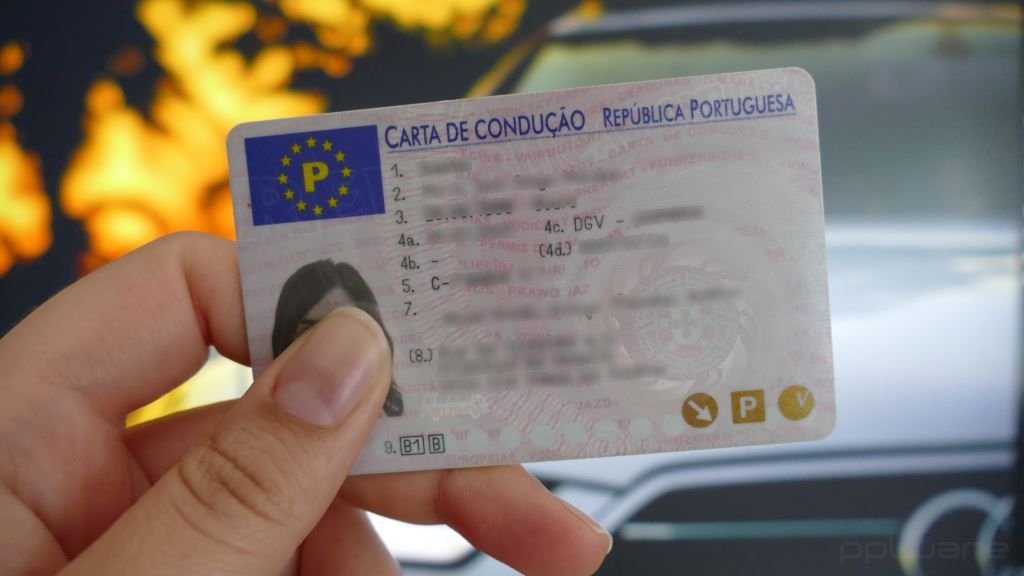
The licence exchange process is managed by IMT (Instituto da Mobilidade e dos Transportes), Portugal’s road authority. Although requirements vary, the process typically involves:
- Proof of identity
- Proof of Portuguese residency
- Valid foreign driving licence
- Tax number (NIF)
- Medical certificate (where required)
- Application submission
Processing times can vary, so many expats start the process soon after becoming residents.
Do you need a car in Portugal?
The answer depends largely on where you live.
Lisbon
Many residents live comfortably without a car thanks to:
- Metro system
- Trains
- Buses
- Trams
- Ride-sharing services
Porto
Porto also offers excellent public transport, making car ownership optional for many residents.
Smaller cities and rural areas
Outside major urban centres, a car often becomes far more useful. Many expats living in Algarve, Alentejo, Silver Coast or Central Portugal find that owning a vehicle significantly improves mobility and convenience.
Buying a car in Portugal
Expats can buy both new and used vehicles in Portugal. The process generally requires:
- Portuguese tax number (NIF)
- Identification
- Portuguese address
- Insurance coverage
Popular options include:
- Dealerships
- Certified used-car dealers
- Private sellers
Before purchasing, it is important to understand registration costs, insurance expenses, and annual taxes.
How much does car ownership cost in Portugal?
Car ownership costs vary depending on the vehicle and location. Typical expenses include:
| Cost | Typical Range |
| Fuel | Variable |
| Insurance | €200–€800+ per year |
| Annual vehicle tax (IUC) | Depends on vehicle |
| Inspections | Required for older vehicles |
| Maintenance | Depends on vehicle age |
| Tolls | Common on motorways |
Portugal remains relatively affordable compared to many Western European countries, although fuel and toll costs can add up for frequent drivers.
Car insurance in Portugal
Vehicle insurance is mandatory. At a minimum, drivers must have third-party liability insurance. Many expats choose more comprehensive policies that include:
- Theft protection
- Accident damage
- Roadside assistance
- Glass coverage
Insurance premiums depend on:
- Driver history
- Vehicle type
- Age
- Location
Obtaining several quotes is usually worthwhile before choosing a provider.
Toll roads in Portugal
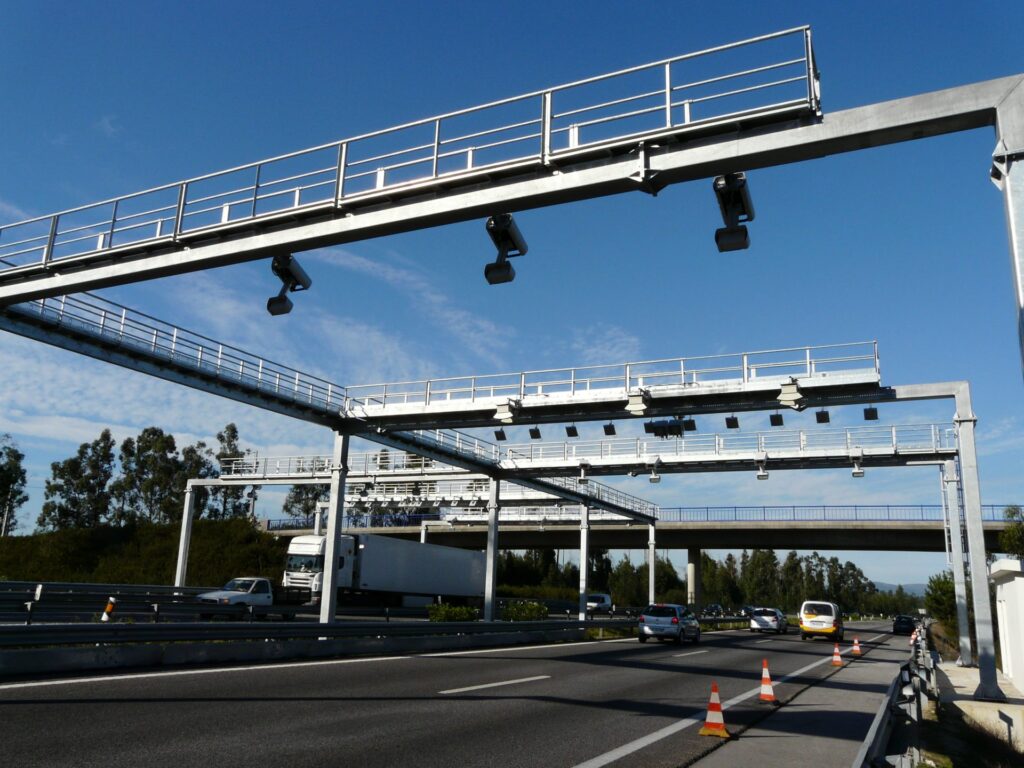
Portugal has an extensive motorway network. Many motorways charge tolls and the payment methods may include:
- Electronic toll devices
- Automatic licence plate billing
- Traditional toll booths
Frequent motorway users often benefit from electronic toll solutions that simplify payments.
Important driving rules in Portugal
Drivers should familiarise themselves with Portuguese road laws. Key rules include:
- Drive on the right-hand side
- Seatbelts are mandatory
- Mobile phone use while driving is prohibited unless hands-free
- Child seat regulations apply
- Drink-driving laws are strictly enforced
Police conduct regular roadside checks, particularly during holiday periods.
Parking in Portugal
Parking rules vary significantly by city. In smaller towns, parking is generally easier and often free, but in larger cities such as Lisbon and Porto:
- Paid parking zones are common
- Parking apps are widely used
- Underground car parks are available
Always check local signs carefully, as parking fines can be issued quickly.
Public transport vs owning a car
Many new expats initially wonder whether buying a car is necessary. The decision ultimately depends on your lifestyle and location.
| Factor | Public Transport | Car Ownership |
| Cost | Lower | Higher |
| Flexibility | Limited | High |
| City living | Excellent | Often unnecessary |
| Rural living | Difficult | Recommended |
| Maintenance | None | Required |
Pros and cons of driving in Portugal
Pros
- Modern road network
- Excellent motorways
- Easy access to rural areas
- Convenient for travel
- Generally affordable ownership costs
Cons
- Toll charges
- Fuel costs
- Parking challenges in major cities
- Administrative procedures for licence exchanges
Final Thoughts
Driving in Portugal is relatively straightforward for most expats. The country offers modern infrastructure, excellent motorway connections, and a generally enjoyable driving experience.
While residents of Lisbon and Porto may not need a vehicle immediately, car ownership becomes increasingly useful outside the major urban centres.
Before buying a vehicle, make sure you understand the rules surrounding licence exchanges, insurance requirements, annual taxes, and toll roads. Taking time to plan ahead can make your transition to driving in Portugal much smoother.
FAQ
Can expats drive in Portugal with a foreign licence?
Yes. Most foreigners can drive using their existing licence initially, although residency may trigger additional requirements.
Do I need to exchange my driving licence in Portugal?
It depends on your nationality and residency status. Some licences can be used for extended periods, while others require exchange.
Is car insurance mandatory in Portugal?
Yes. At least third-party liability insurance is legally required.
Is driving in Portugal difficult?
No. Portugal has modern roads and clear road signs, although city traffic can be busy during peak hours.
Do I need a car in Portugal?
Not necessarily. In Lisbon and Porto, public transport is excellent. In smaller towns and rural regions, a car is often highly beneficial.
Are toll roads common in Portugal?
Yes. Many motorways operate toll systems, so regular drivers should budget accordingly.