Public Transport in Portugal (2026): Trains, Metro, Buses & Travel Cards
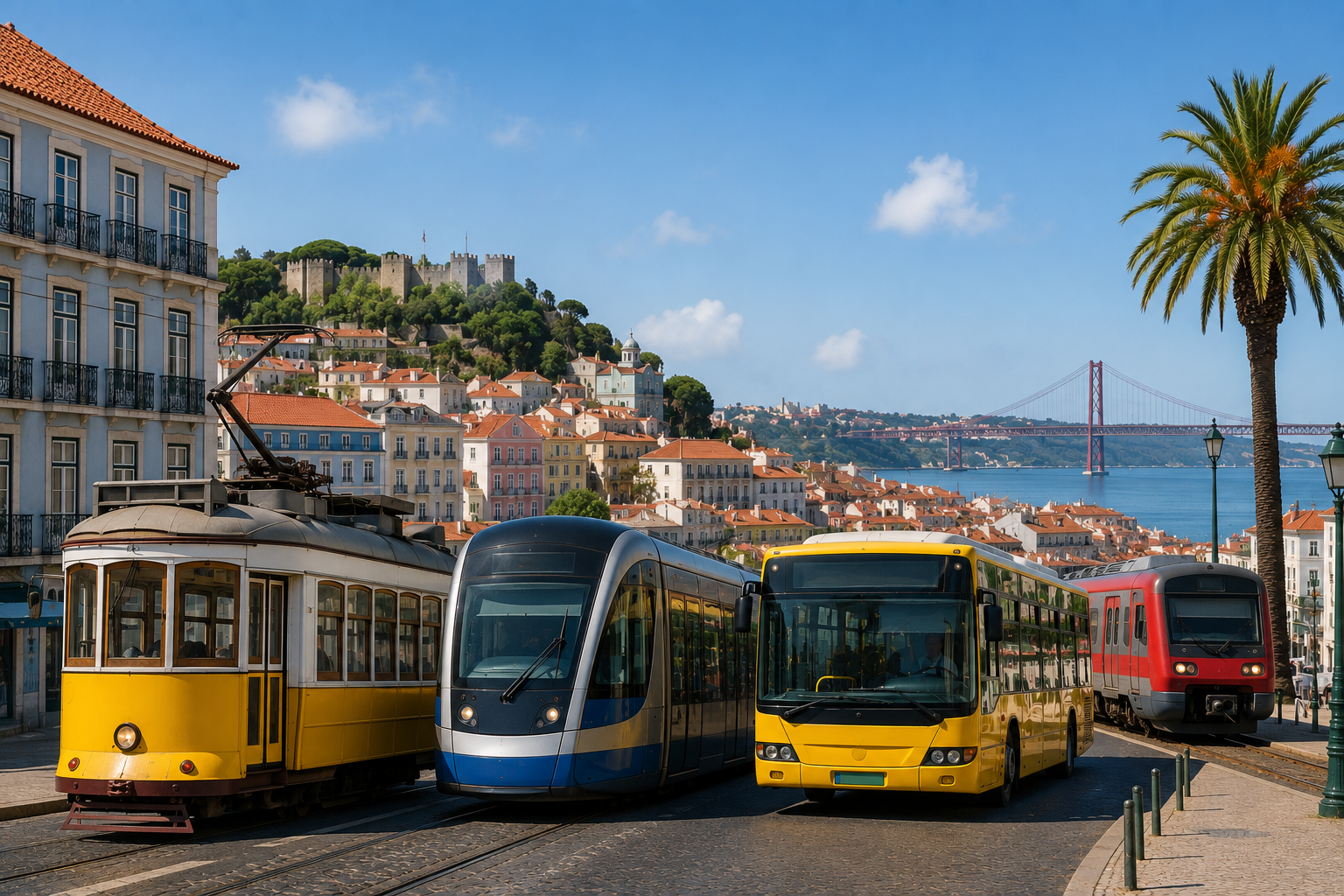
Portugal’s public transport network makes it possible to live without a car in many parts of the country, particularly in Lisbon, Porto and their surrounding metropolitan areas. Trains connect the main cities, metro systems cover the largest urban centres, and buses, trams and ferries fill many of the gaps.
However, the system can initially feel confusing. Different cities use different travel cards, some fares depend on zones, and the ticket you need may change depending on the operator or journey.
This guide explains how public transport in Portugal works in 2026, including trains, metro systems, buses, ferries, ticket prices and the main travel cards available to residents and visitors.
Is public transport good in Portugal?
Public transport in Portugal is generally affordable and convenient in major cities, but the quality and frequency of services vary considerably by location.
In central Lisbon and Porto, residents can combine metro, buses, urban trains and other services for most daily journeys. Transport becomes more limited in rural regions, smaller villages and some coastal or inland areas, where services may be infrequent or designed mainly around school and commuter schedules.
Public transport is usually most practical in:
- Lisbon and its metropolitan area
- Porto and its metropolitan area
- Central Coimbra
- Braga, Aveiro and other medium-sized cities
- Towns located on major railway lines
A car may still be useful when living in:
- Rural Portugal
- Small villages
- Inland regions with limited bus services
- Areas of the Algarve outside the main towns
- Suburban locations far from railway or metro stations
Before choosing where to live, check both the distance to the nearest station and the frequency of services. A home may appear close to public transport on a map but still have very limited evening or weekend connections.
Overview of public transport in Portugal
Portugal’s public transport network includes several different modes and operators.
| Type of transport | Best used for |
| Metro | Fast urban journeys in Lisbon and Porto |
| Urban train | Commuting between cities and surrounding suburbs |
| Long-distance train | Travel between major Portuguese cities |
| Bus | Local, suburban and regional journeys |
| Ferry | Crossing Tejo river in the Lisbon metropolitan area |
| Coach | Travelling between cities not conveniently connected by rail |
| Taxi and ride-hailing | Late-night travel and areas with limited public transport |
One important difference from some other European countries is that Portugal does not have a single national travel card covering every type of public transport. Lisbon and Porto have their own integrated systems, while long-distance train and coach tickets are normally purchased separately.
Trains in Portugal
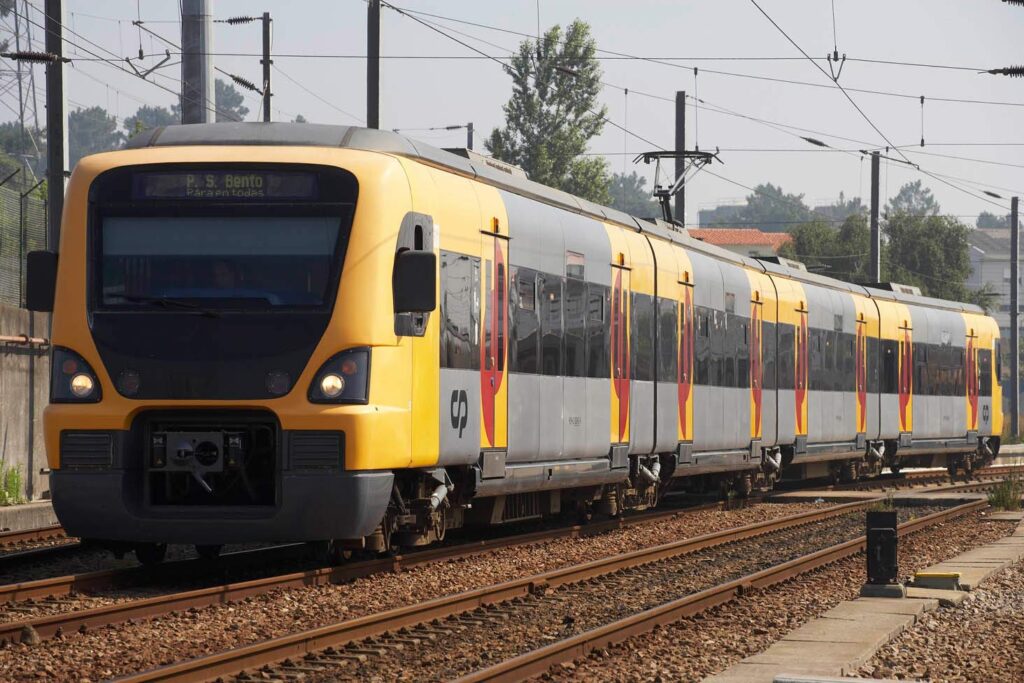
Portugal’s national passenger railway company is CP — Comboios de Portugal. It operates long-distance, regional and urban services across the country. The principal services include:
- Alfa Pendular
- Intercidades
- InterRegional
- Regional
- Lisbon urban trains
- Porto urban trains
- Coimbra urban trains
Regional and InterRegional services connect with urban trains and long-distance services at various stations, allowing passengers to combine different types of train within the same journey.
Alfa Pendular
Alfa Pendular is CP’s fastest and most comfortable long-distance service. It operates on important north–south routes and is commonly used for journeys between cities such as Lisbon, Coimbra, Porto, Braga and Faro.
The trains offer reserved seating, power sockets, Wi-Fi and accessible facilities. Alfa Pendular is usually the best option when:
- Journey time is your main priority
- You want a reserved seat
- You are travelling between major cities
- You prefer more comfortable onboard facilities
It is normally more expensive than Intercidades, although advance-purchase promotions may substantially reduce the price.
Intercidades
Intercidades trains also connect Portugal’s main cities and regional centres. They are generally slower than Alfa Pendular services but can offer good value for longer journeys.
Typical connections include routes between Lisbon and northern Portugal, central Portugal, the Alentejo and the Algarve.
Regional and InterRegional trains
Regional trains stop at more stations and are useful for reaching smaller towns. InterRegional services normally make fewer stops and may be more convenient for medium-distance journeys.
These services are particularly important outside Lisbon and Porto, where they connect towns that may not be served by high-speed trains. CP describes them as part of the wider network linking urban, Alfa Pendular, Intercidades and international services.
Urban trains
Urban trains form an essential part of daily commuting in the metropolitan areas. In Lisbon, important routes include connections towards Sintra, Cascais, Azambuja and Setúbal.
In northern Portugal, Porto’s urban network provides connections across the Greater Porto area and into parts of the Aveiro and Braga districts. It also connects with Metro do Porto, STCP buses and longer-distance rail services.
Urban trains can be especially useful for expats who want to live outside the expensive city centres while continuing to commute into Lisbon or Porto.
Lisbon public transport
Lisbon has Portugal’s most extensive public transport network. It includes:
- Metro
- Carris buses
- Trams and funiculars
- CP urban trains
- Ferries
- Suburban bus operators
This makes it possible to live in many parts of Lisbon and the surrounding metropolitan area without owning a car.
Lisbon Metro
The Lisbon Metro is usually the fastest way to move around the city. Its four colour-coded lines connect residential areas, business districts, universities, major railway stations and Lisbon Airport.
The network is particularly useful for everyday travel between central locations such as:
- Baixa and Chiado
- Marquês de Pombal
- Saldanha
- Oriente
- Alameda
- Campo Grande
- São Sebastião
To use the metro, passengers need an accepted contactless payment method or an electronic transport card carrying a valid fare. Occasional tickets can be loaded onto a Viva Viagem or occasional Navegante card, while regular passes are loaded onto a personalised Navegante card.
Lisbon Metro fares in 2026
The following fares took effect on 1 January 2026:
| Ticket | 2026 Price |
| Carris/Metro ticket | €1.90 |
| Zapping metro journey | €1.72 |
| Direct bank-card metro journey | €1.92 |
| Carris/Metro 24-hour ticket | €7.25 |
| Carris/Metro/Transtejo to Cacilhas, 24 hours | €10.35 |
| Carris/Metro/CP, 24 hours | €11.40 |
The Carris/Metro ticket is valid for eligible Carris and Metro journeys during the 60 minutes following the first validation, although consecutive metro journeys are not permitted under that ticket.
The Navegante card in Lisbon
The Navegante system is the principal integrated travel-card system for the Lisbon Metropolitan Area. There are different versions depending on whether you are an occasional or regular traveller.
Occasional Navegante or Viva Viagem card
This rechargeable card is suitable for tourists and occasional passengers. It can hold certain single fares, 24-hour tickets or stored-value zapping credit. It is useful when you:
- Are visiting Lisbon temporarily
- Use public transport only occasionally
- Do not need a monthly pass
- Want to combine different urban transport services
Personalised Navegante card
Regular commuters normally use a personalised Navegante card carrying a monthly pass. The Navegante Metropolitano pass costs €40 per month and covers participating public transport operators across the 18 municipalities of the Lisbon Metropolitan Area.
This can provide excellent value for people who:
- Commute between Lisbon and surrounding municipalities
- Regularly combine metro, bus, train and ferry services
- Live outside Lisbon but work in the city
- Use public transport almost every day
Some passengers may qualify for discounted or subsidised passes. Eligibility depends on age, household circumstances and other criteria.
Buses and trams in Lisbon
Carris operates many of Lisbon’s urban buses, trams, funiculars and the Santa Justa lift.
Buses are especially useful for neighbourhoods that are not directly served by the metro, including parts of western and northern Lisbon.
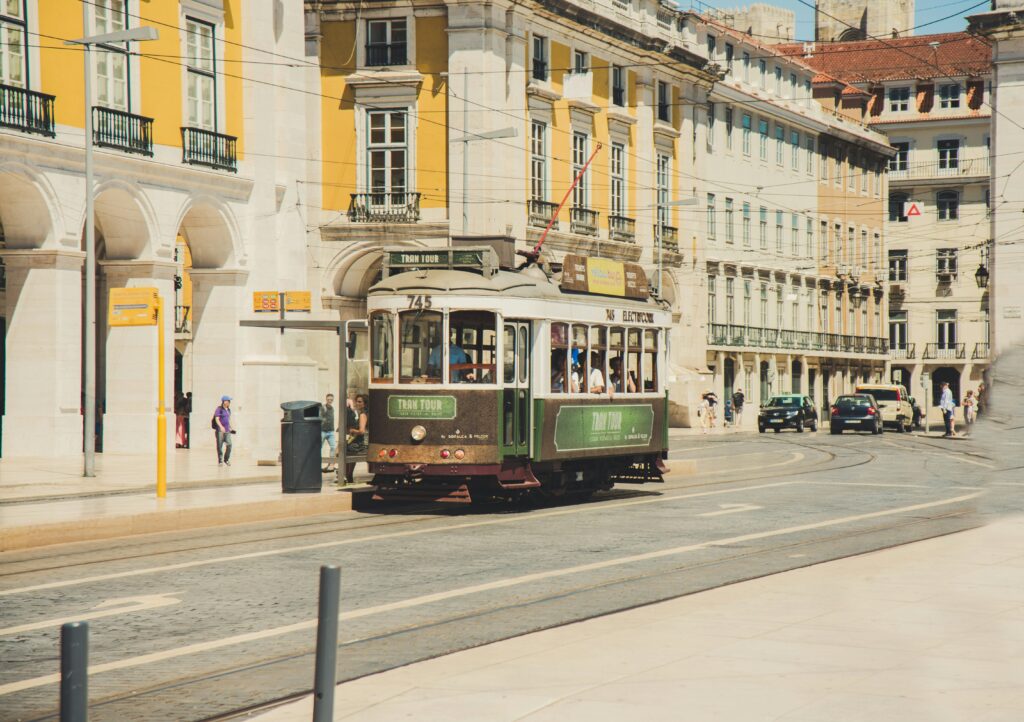
Lisbon’s historic trams are both practical services and major tourist attractions. Tram 28 is the best-known example, travelling through several historic neighbourhoods. However, it can become extremely crowded, particularly during peak tourism periods.
Ferries in Lisbon
Ferries form part of the daily transport network for people living south of the Tagus River. Services connect Lisbon with locations including Cacilhas, Barreiro, Seixal, Montijo and Trafaria. They are particularly useful for commuters living in Almada and other municipalities on the southern bank.
Some Navegante passes include ferry journeys, while occasional passengers can purchase individual or integrated tickets depending on the route.
Public transport in Porto
Porto also has a strong integrated transport network, combining:
- Metro do Porto
- STCP buses
- CP urban trains
- Other participating local and regional operators
Many central neighbourhoods can be reached without a car, although the topography and suburban layout mean that journeys sometimes require a combination of metro, bus and walking.
Metro do Porto
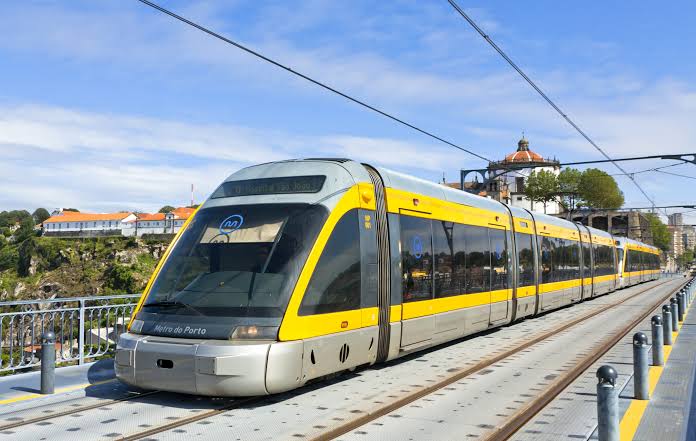
Despite its name, much of Metro do Porto operates above ground as a modern light-rail system. It connects Porto with surrounding locations such as:
- Vila Nova de Gaia
- Matosinhos
- Maia
- Póvoa de Varzim
- Vila do Conde
- Porto Airport
The metro is generally straightforward to use, but ticket prices depend on the number of zones included in the journey.
Passengers must load their Andante card with a title covering the correct number of zones between the first validation point and the destination.
The Andante card in Porto
The Andante card is Porto’s integrated transport card. It can be used across participating metro, bus and train services in the Porto Metropolitan Area.
The fare is based mainly on the journey’s zones rather than the number of different vehicles used. This means a passenger may be able to change between metro, bus and train within the validity of the selected ticket.
Andante Azul
Andante Azul is a rechargeable card designed primarily for occasional journeys. It can carry:
- Single zone-based journeys
- Andante 24-hour titles
- Other eligible occasional fares
Monthly Andante passes
Regular users can purchase monthly passes covering selected zones or eligible wider metropolitan travel.
Unlike Lisbon’s simplified metropolitan pass, Porto’s occasional ticketing system requires passengers to understand how many zones their journey crosses. Ticket machines and station information usually help passengers select the correct title.
Buses outside Lisbon and Porto
Bus transport outside the two largest metropolitan areas is more fragmented. Services may be provided by:
- Municipal companies
- Regional transport authorities
- Private operators
- Intermunicipal networks
- Long-distance coach companies
In cities such as Braga, Coimbra, Aveiro and Faro, buses serve urban and suburban routes. However, frequencies may be lower in the evening, at weekends and during public holidays.
In rural areas, buses may operate only a few times per day. Some routes are designed around school or commuter hours rather than the needs of tourists or remote workers.
Long-distance coaches
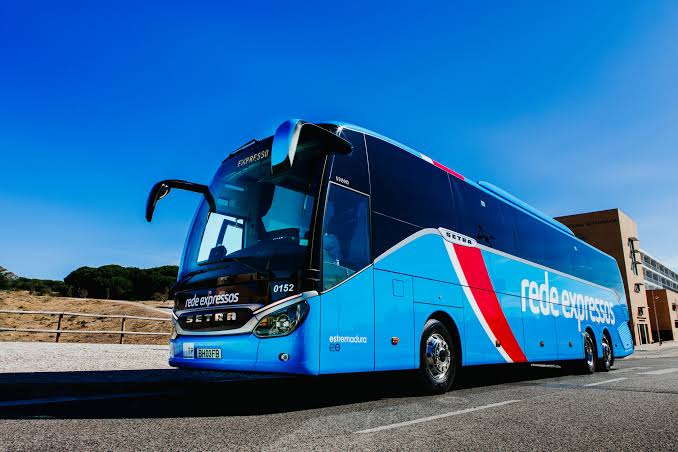
Long-distance coaches can be a practical alternative to trains. Portugal has multiple intercity coach operators, such as Rede Expressos or FlixBus, so tickets are not generally integrated into local Navegante or Andante cards.
Taxis, Uber and Bolt
Traditional taxis operate throughout Portugal, while ride-hailing services are widely available in major cities and popular tourist regions.
Final Thoughts
Portugal offers a practical and comparatively affordable public transport system, particularly in Lisbon, Porto and along the main railway corridors.
For residents of the largest cities, a combination of metro, bus, urban train and occasional ride-hailing can make owning a car unnecessary. The Navegante and Andante systems also make regular metropolitan travel more convenient.
Outside the main urban areas, transport becomes less frequent and a car may be necessary for everyday flexibility. This is why transport should be considered before choosing a neighbourhood, signing a rental contract or purchasing property.
FAQ
Is public transport in Portugal reliable?
Public transport is generally reliable in Lisbon, Porto and on major rail routes. Services can be less frequent in rural areas and smaller towns.
Can you live in Portugal without a car?
Yes, particularly in central Lisbon, Porto and some well-connected surrounding areas. A car is more useful in rural areas and destinations with limited evening or weekend services.
What is the best travel card in Lisbon?
Regular commuters normally benefit from a personalised Navegante pass. Occasional visitors can use a rechargeable occasional Navegante or Viva Viagem card.
What travel card is used in Porto?
Porto uses the Andante system, which covers participating metro, bus and urban train services. Occasional fares are generally based on the number of zones required.
How much is the Lisbon monthly transport pass?
The Navegante Metropolitano pass costs €40 per month and covers participating public transport across the Lisbon Metropolitan Area.
Can I use the Navegante card in Porto?
No. Lisbon and Porto use different integrated ticketing systems. Lisbon uses Navegante, while Porto uses Andante.
Is the Lisbon Metro connected to the airport?
Yes. Lisbon Airport is served by the Metro’s Red Line.
Should I book Portuguese trains in advance?
Advance booking is advisable for Alfa Pendular and Intercidades journeys, especially at weekends and during holiday periods. CP may offer discounted promotional fares on selected services.
Do I need to validate my ticket?
Yes, where required. Ticket validation rules differ by operator, but passengers should never assume that loading or purchasing a fare automatically activates it.