
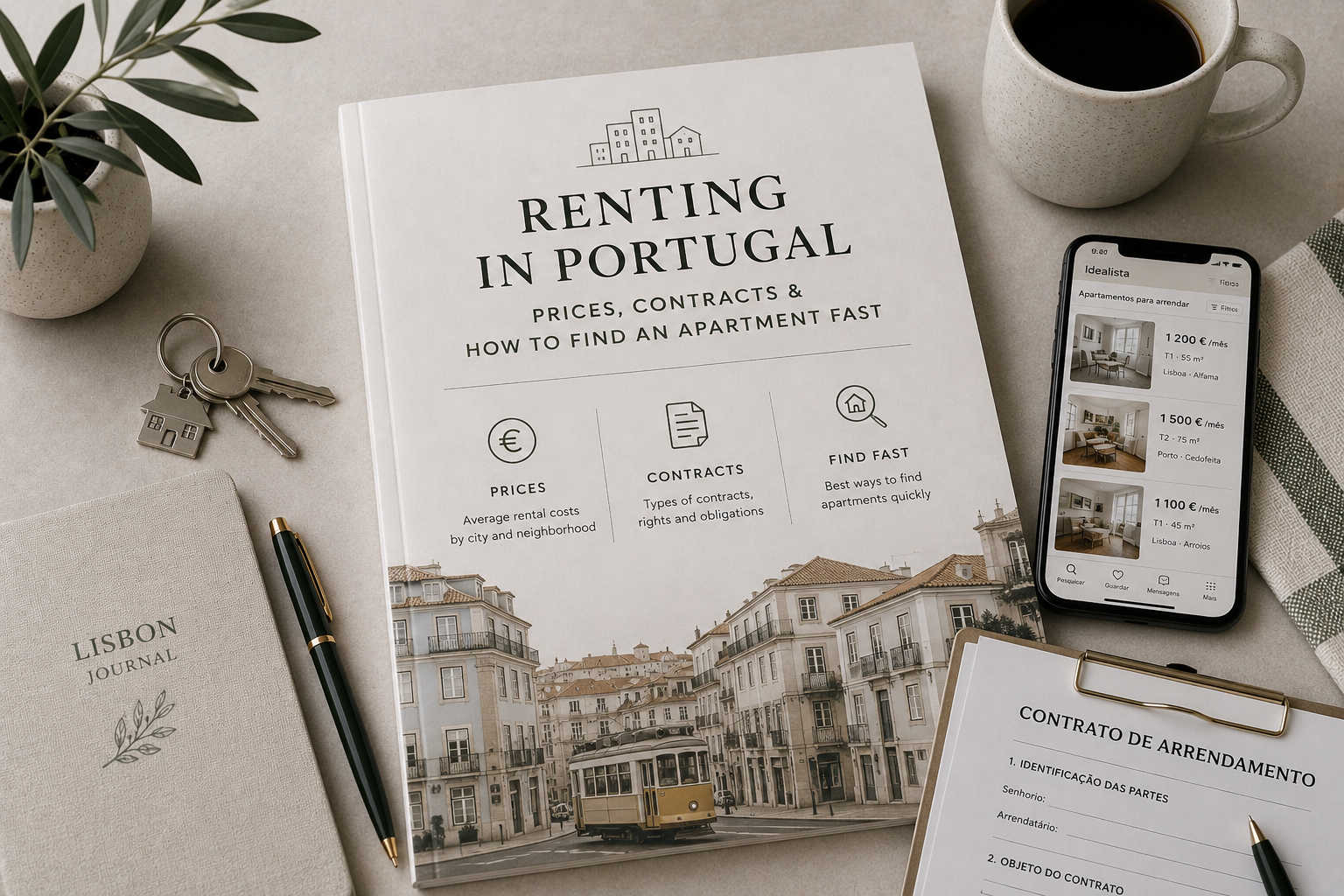
Renting in Portugal (2026): Prices, Contracts & How to Find an Apartment Fast
Renting a property in Portugal is one of the most important steps when relocating as an expat. Demand for housing has increased significantly in recent years, especially in Lisbon and Porto, which has made the rental market more competitive and expensive.
Understanding the rental process is essential, especially if you are moving under a visa such as the D7 Visa or Digital Nomad Visa. In many cases, securing accommodation is directly linked to your relocation planning and overall cost of living in Portugal.
This guide explains everything you need to know about renting in Portugal in 2026, including prices, required documents, the rental process, and the best areas to live.
Average rent prices in Portugal
Rental prices vary significantly depending on location, property type, and demand.
In Lisbon, the average rent for a one-bedroom apartment in the city centre typically ranges between €1,200 and €2,000 per month. Porto is slightly more affordable, with prices usually between €900 and €1,500.
Smaller cities and inland areas offer more affordable options, often ranging from €500 to €900 per month.
These differences are important to consider when planning your cost of living in Portugal, as housing is usually the largest monthly expense for expats.
Best cities for expats
Lisbon is the most popular destination for expats due to its international environment, job opportunities, and vibrant lifestyle. However, it is also the most expensive city in the country.
Porto offers a more relaxed atmosphere, cultural richness, and slightly lower living costs, making it attractive for remote workers and young professionals.
The Algarve is particularly popular among retirees due to its warm climate and coastal lifestyle, while cities like Braga provide a more affordable and authentic Portuguese experience.
For a broader overview of locations, you can explore our guide on the best places to live in Portugal.

Rental process in Portugal
The rental process in Portugal is relatively straightforward but highly competitive in major cities.
Typically, you will need to search for properties online, schedule viewings, submit documentation, and sign a rental contract. Landlords often require proof of income and, in many cases, a Portuguese tax number (NIF).
Expats arriving under a D7 Visa or Digital Nomad Visa may face additional requirements depending on their financial situation and rental duration.
Documents needed
To rent a property in Portugal, you will usually need:
- Passport or ID
- Portuguese tax number (NIF)
- Proof of income or employment
- Sometimes a Portuguese bank account
Having these documents ready in advance can significantly speed up the rental process, especially in competitive markets like Lisbon.
Common challenges
Many expats face challenges when renting in Portugal, particularly in high-demand areas.
These include limited availability, strong competition, and landlords preferring long-term tenants or local guarantors. Properties can be rented very quickly, so hesitation often means losing opportunities.
Being flexible with location and budget is key to improving your chances of securing a property.
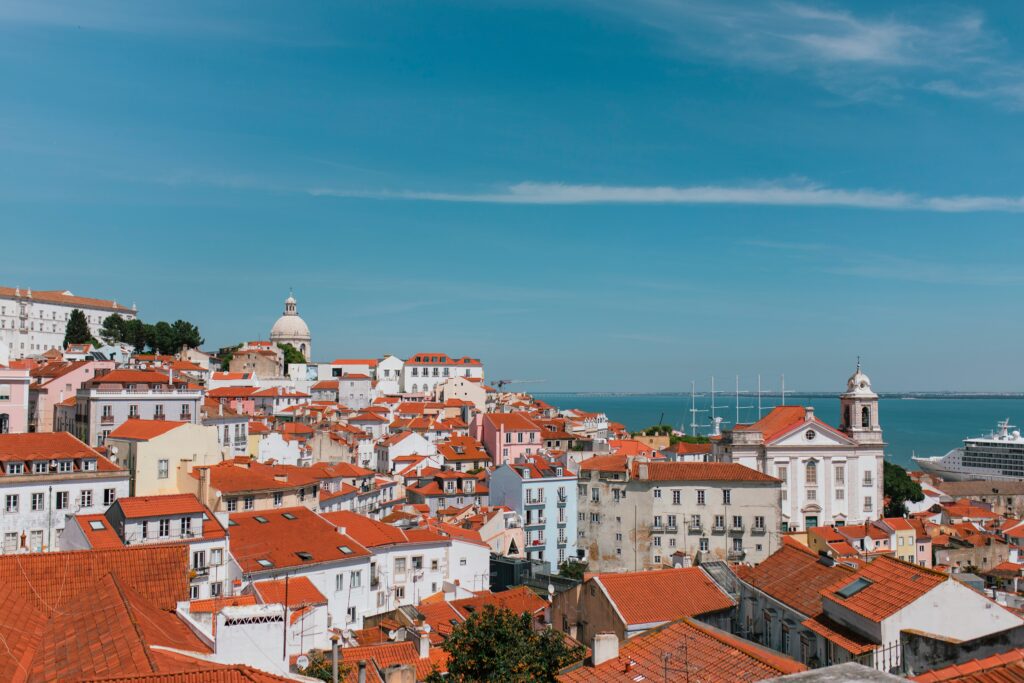
Tips for renting in Portugal
It is strongly recommended to start your search early and use multiple property platforms. Being prepared with documentation and acting quickly can make a significant difference.
Flexibility in terms of location and property size can also help you find better value options.
FAQ
Is it difficult for expats to rent a property in Portugal?
It can be challenging in popular areas such as Lisbon, Porto, and the Algarve due to high demand and limited availability. Expats who have their documents prepared and start their search early usually have a better chance of finding suitable accommodation.
How much does it cost to rent an apartment in Portugal?
Rental prices vary depending on the location. A one-bedroom apartment in Lisbon typically costs between €1,200 and €2,000 per month, while smaller cities can offer similar properties for €500–€900 per month.
What documents do I need to rent a property in Portugal?
Most landlords will request:
- A passport or ID
- A Portuguese tax number (NIF)
- Proof of income or employment
- Sometimes a Portuguese bank account
Additional documents may be required depending on the landlord or agency.
Can foreigners rent property in Portugal?
Yes. Foreigners and expats can rent property in Portugal without being Portuguese residents. However, landlords may ask for additional proof of financial stability.
Do I need a NIF to rent a property in Portugal?
While it is not always legally required to view properties, most landlords and agencies will ask for a Portuguese tax number (NIF) before signing a rental contract.
Do I need a Portuguese bank account to rent in Portugal?
Not always, but many landlords prefer tenants to pay rent from a Portuguese bank account. Having one can also make utility payments and direct debits easier.
What are the best cities in Portugal for expats?
The most popular cities for expats include Lisbon, Porto, Braga, and several locations in the Algarve. The best choice depends on your budget, lifestyle, and work situation.
How long does it take to find a rental property in Portugal?
It depends on the area and season. In competitive markets such as Lisbon and Porto, finding the right property can take several weeks. Starting your search before moving is highly recommended.
Final Thoughts
Renting in Portugal can be challenging at first, especially in competitive cities, but with proper preparation it becomes much more manageable.
Understanding the market, preparing documents in advance, and knowing where to search will significantly improve your chances of finding the right home.
If you are planning a move, make sure to also explore our guides on visas, living costs, and healthcare to fully prepare for life in Portugal.