
Portuguese Citizenship (2026): Requirements, Residency & Timeline
Until recently, Portugal was known for having one of Europe’s fastest routes to citizenship. Foreign residents could generally apply after five years of legal residence, making Portugal particularly attractive for people planning a long-term move.
However, this changed significantly in May 2026. Portugal introduced new nationality rules that substantially increased the residency period required for most applicants and added several new integration requirements.
As a result, understanding the current rules is more important than ever. In this guide, we’ll explain exactly how Portuguese citizenship works in 2026, who can apply, how the new residency rules affect expats, which documents you’ll need, how long the process takes and what to expect once your application is submitted.
Why Become a Portuguese Citizen?
Becoming a Portuguese citizen is about far more than obtaining a passport. Citizenship represents the final stage of integration into Portuguese society and provides rights that go well beyond those available under a residence permit.
Unlike temporary or permanent residence, Portuguese citizenship is not tied to immigration status. Once granted, you are no longer dependent on residence permit renewals or visa conditions to continue living in Portugal.
Even more importantly, Portuguese citizenship automatically makes you a citizen of the European Union (EU). This gives you the right to:
- Live in any EU Member State
- Work anywhere within the EU
- Study under the same conditions as local citizens
- Establish a business in another EU country
- Retire elsewhere in Europe
- Move freely throughout the EU without immigration restrictions
Portugal also issues one of the strongest passports in the world, offering visa-free or visa-on-arrival access to more than 190 destinations.
For many expats, citizenship also provides something that residence permits cannot: certainty. Immigration rules may change over time – as demonstrated by the 2026 reforms – but citizenship provides long-term security that your right to remain in Portugal is no longer dependent on future immigration legislation.
What Changed in 2026?
The biggest change introduced by the 2026 reform concerns the minimum period of legal residence required before applying for citizenship through naturalisation. Under the previous system, the general rule was five years of legal residence.
That is no longer the case. Today, the residency requirement depends on your nationality:
| Applicant | Minimum legal residence |
| Citizens of EU Member States | 7 years |
| Citizens of CPLP countries | 7 years |
| Citizens of all other countries | 10 years |
This means that nationals of countries such as the United Kingdom, United States, Canada, Australia, India or South Africa generally need 10 years of legal residence before becoming eligible to apply.
Meanwhile, nationals of Portuguese-speaking countries (such as Brazil, Angola, Mozambique and Cape Verde) and citizens of other EU Member States benefit from a reduced seven-year requirement.
The reform also introduced additional requirements relating to civic integration, knowledge of Portuguese culture and institutions, and financial self-sufficiency.
Who Can Apply for Portuguese Citizenship?
Although naturalisation through legal residence is the route followed by most expats, it is not the only way to become Portuguese.
Portugal’s Nationality Law recognises several pathways to citizenship, each designed for different personal circumstances. The most common routes include:
- Citizenship through legal residence (naturalisation)
- Citizenship through marriage or civil partnership
- Citizenship by descent (Portuguese parents or grandparents)
- Citizenship for children born in Portugal
- Citizenship through adoption
- Other specific legal provisions
Citizenship Through Legal Residence
Naturalisation allows foreign nationals who have legally lived in Portugal for a sufficient period of time to apply for Portuguese citizenship. However, following the 2026 reform, simply reaching the required number of years is no longer enough on its own.
Applicants must now satisfy several legal conditions relating to:
- Length of legal residence
- Knowledge of the Portuguese language
- Integration into Portuguese society
- Criminal record
- Civic responsibilities
Each application is assessed individually by the Portuguese authorities. Meeting the minimum residency period gives you the right to apply – it does not automatically guarantee that citizenship will be granted.
What Counts as “Legal Residence”?
This is one of the most misunderstood aspects of Portuguese nationality law.
Many people assume that living in Portugal for seven or ten years automatically qualifies them for citizenship. In reality, Portuguese law refers specifically to legal residence, meaning your stay must be authorised under Portuguese immigration rules.
Simply spending time in Portugal as a tourist, even over several years, does not count. Instead, your residence must be covered by a valid Portuguese residence permit issued under the country’s immigration system.
For most expats, this includes residence permits obtained through visas such as:
- D7 Visa
- Digital Nomad Visa (D8)
- Work Visa
- Entrepreneur Visa
- Family Reunification
- EU Registration Certificate (for EU citizens)
As long as your residence remains legal and uninterrupted, those years generally contribute towards the residency requirement.
Does Every Residence Permit Count?
In most cases, yes. The important point is not the name of the visa itself, but whether it leads to legal residence recognised by Portuguese immigration authorities. For example, someone may:
- Arrive using a D7 Visa
- Later change to a work permit
- Eventually become self-employed
Changing residence categories does not necessarily restart the residency clock. As long as your legal residence remains continuous, the qualifying period normally continues running.
This flexibility is particularly helpful for people whose professional or personal circumstances evolve over time.
What About Time Spent as a Tourist?
Time spent in Portugal before obtaining legal residence generally does not count. For example, imagine someone spends six months travelling around Portugal before applying for a Digital Nomad Visa. Those initial six months as a visitor are not considered legal residence for nationality purposes. Only once the person receives their residence permit does the qualifying period begin.
This distinction is particularly important for British, American and Canadian citizens, many of whom initially spend several months in Portugal before deciding to relocate permanently.
Does Time Outside Portugal Affect Citizenship?
One of the questions most frequently asked by future applicants concerns travel abroad. The good news is that Portugal understands that residents travel for:
- Holidays
- Business trips
- Family visits
- Temporary work assignments
Short absences from Portugal are perfectly normal and generally do not affect your eligibility. However, citizenship through naturalisation is based on genuine residence in Portugal.
If someone spends most of their time living in another country while only returning occasionally, the authorities may conclude that Portugal is no longer their principal place of residence. For this reason, applicants should ensure that Portugal genuinely remains their home throughout the qualifying period.

Can Different Residence Periods Be Combined?
Yes. Many expats worry that changing visas or residence permits might force them to restart the residency requirement from zero. Fortunately, this is generally not how the system works. For example:
- You arrive under a D7 Visa
- Three years later you obtain a Portuguese work contract
- You switch to a Work Residence Permit
Provided your legal residence remains continuous, those years are usually counted together. The same principle often applies when changing between several residence categories.
Do You Need Permanent Residence First?
Not necessarily. Some European countries require applicants to first obtain permanent residence before becoming eligible for citizenship.
Portugal’s system works differently. Provided you satisfy the legal requirements for naturalisation, you can generally apply directly for citizenship without first becoming a permanent resident.
That said, some long-term residents still choose to apply for permanent residence as an additional safeguard while waiting for their citizenship application to be processed.
Transitional Rules: Who Still Benefits from the Previous Law?
One of the most important aspects of the 2026 reform is the transitional regime. The changes introduced by the new nationality law do not automatically affect every applicant in exactly the same way.
Applications that were already validly submitted before the new legislation entered into force continue to be assessed under the previous legal framework. This means that some applicants who had already entered the citizenship process before May 2026 may still benefit from the earlier rules.
Because these transitional provisions can become legally complex, anyone whose situation spans both legal regimes should consider seeking professional advice before making assumptions about their eligibility.
Additional Requirements Introduced in 2026
One of the biggest misconceptions about Portuguese citizenship is that reaching the required residency period automatically makes you eligible. That may have been closer to reality under the previous system, but the 2026 reform introduced a broader concept of integration into Portuguese society.
Today, applicants must demonstrate not only that they have lived legally in Portugal for the required period, but also that they have genuinely integrated into the country and understand its language, institutions and democratic values.
This means the naturalisation process is no longer based solely on how long you have lived in Portugal. Instead, the authorities now assess whether applicants have developed a meaningful connection with Portuguese society.
Portuguese Language Requirement
Knowledge of Portuguese remains one of the central requirements for citizenship. However, the 2026 reform slightly expanded this obligation.
Previously, applicants generally needed to demonstrate Portuguese language skills at approximately A2 level. The new legislation still requires applicants to prove sufficient knowledge of Portuguese, but it also introduces broader cultural and civic knowledge requirements.
For most applicants, learning Portuguese should never be viewed simply as another administrative requirement. Speaking the language makes daily life dramatically easier and demonstrates a genuine commitment to integrating into Portuguese society.
It will also make every other part of your life in Portugal considerably simpler, from dealing with public services to speaking with neighbours and healthcare professionals.

How Can You Prove Your Portuguese?
At the time of writing, applicants can generally demonstrate their Portuguese language skills through recognised certificates or approved testing routes. The most common option remains the CIPLE examination, administered by CAPLE.
Many applicants also satisfy the requirement through recognised educational qualifications or approved language programmes.
Because implementation rules continue to evolve following the 2026 reform, it’s important to verify the current documentation accepted by the Portuguese authorities before submitting your application.
Knowledge of Portuguese Culture and History
This is one of the most significant changes introduced by the new law. Applicants must now demonstrate sufficient knowledge of:
- Portuguese culture
- Portuguese history
- National symbols
This requirement goes beyond simply speaking Portuguese. The objective is to ensure that new citizens have developed an understanding of Portugal’s national identity and cultural heritage.
At the time of writing, detailed regulations regarding how these assessments will be implemented are still being developed, meaning the precise examination format may evolve.
Knowledge of Citizens’ Rights and Duties
Applicants must also demonstrate an understanding of:
- the Portuguese Constitution
- the organisation of the Portuguese State
- the rights enjoyed by Portuguese citizens
- and the duties that citizenship carries
Again, this represents a substantial change compared with the previous nationality framework. Portugal is placing greater emphasis on ensuring that new citizens understand not only the language, but also how Portuguese democracy functions.
Declaration of Commitment to Democratic Principles
Another new requirement introduced by the reform is a formal declaration in which applicants affirm their commitment to the fundamental principles of the democratic rule of law.
Although this may sound intimidating, it is essentially intended to confirm that applicants support Portugal’s constitutional and democratic values.
Financial Self-Sufficiency
For the first time, the law also requires applicants to demonstrate that they are capable of supporting themselves financially. In practice, this means applicants should possess sufficient means of subsistence and not depend entirely on public assistance.
Exactly how this requirement will be assessed is expected to become clearer as implementing regulations are published.
Criminal Record Requirements
Portugal has always required applicants to have a clean criminal background in relation to serious offences. However, the 2026 reform makes this requirement more specific.
Applicants cannot have been convicted of certain serious offences, including terrorism, violent crime, organised crime and offences against national security, among others defined in the legislation. Authorities also assess whether an applicant poses a threat to Portugal’s security or defence.
Applicants will usually need criminal record certificates from Portugal and, depending on their circumstances, from countries where they have previously lived.
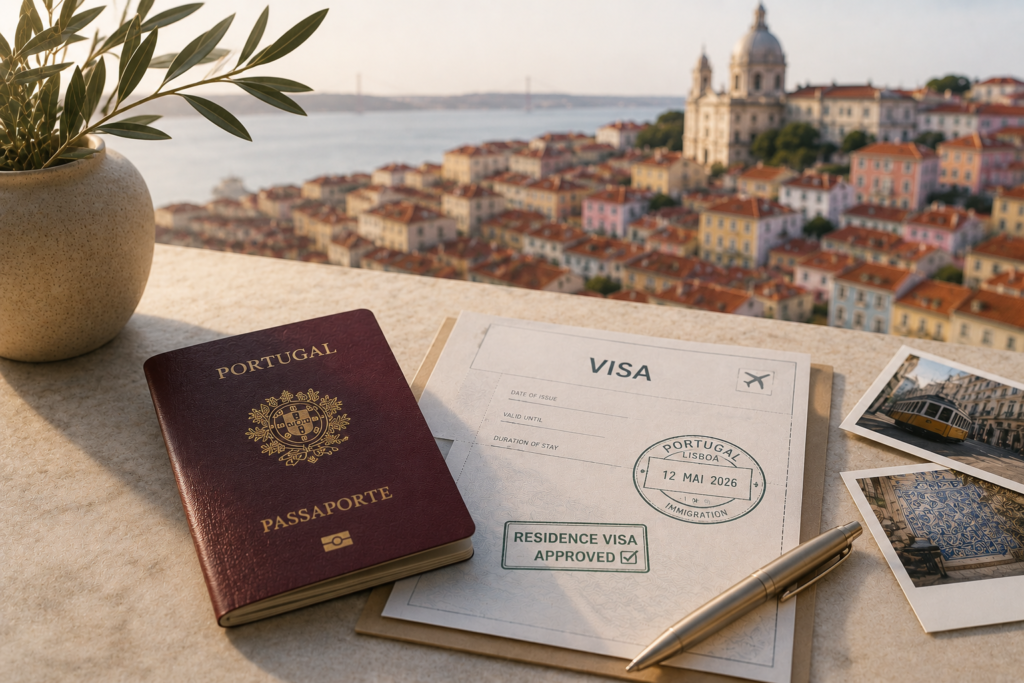
Step-by-Step: How to Apply for Portuguese Citizenship
Although the eligibility requirements may seem complex at first, the application process itself follows a relatively structured sequence. The key is to prepare your documentation well in advance and ensure that every requirement has been met before submitting your application.
Because processing times are often measured in months—or even years—it is worth investing time in getting everything right from the beginning. Missing documents or incorrect paperwork can lead to unnecessary delays.
Below is a general overview of how the naturalisation process works in Portugal.
Step 1: Confirm That You’re Eligible
Before gathering documents or booking language exams, the first step is to confirm that you actually meet the legal requirements. Ask yourself:
- Have I completed the required period of legal residence?
- Is my residence permit still valid?
- Do I satisfy the language requirement?
- Can I obtain all required documentation?
- Do I meet the new integration requirements introduced by the 2026 legislation?
If the answer to any of these questions is “no”, it’s usually worth resolving the issue before submitting your application.
Step 2: Gather Your Documents
This is often the most time-consuming stage. Some documents can be obtained within a few days, while others—particularly those issued abroad—can take several weeks or even months.
Depending on your personal circumstances, you may need to request documents from multiple countries, arrange certified translations and obtain Apostilles. Many applicants underestimate how long this stage takes. Starting early can save considerable stress later.
Step 3: Complete the Language Requirement
If you haven’t already obtained an accepted Portuguese language certificate, this should usually be your next priority. The CIPLE examination is offered several times each year, but places can fill quickly. Waiting until the last minute may delay your citizenship application unnecessarily.
Step 4: Submit Your Application
Applications are generally submitted through the Portuguese Civil Registry (Conservatória dos Registos Centrais) or another authorised registry office.
Depending on future administrative developments, additional online services may also become available. When submitting your application, authorities will verify:
- Your identity
- Your residence history
- Your supporting documentation
- Payment of the applicable government fee
If anything is missing, you may be asked to provide additional information before your application can continue.
Step 5: Administrative Review
Once submitted, your application enters the administrative review stage. This is often the longest part of the process. During this period, different Portuguese authorities may verify:
- Your criminal record
- Your immigration history
- Your civil status
- The authenticity of foreign documents
- Compliance with nationality legislation
Applicants are not usually required to attend interviews unless additional clarification becomes necessary.
Step 6: Decision
If your application is approved, your Portuguese nationality will be registered in the Portuguese Civil Registry. Only after this registration officially takes place do you become a Portuguese citizen. You can then proceed with applying for your Portuguese identity documents.
Documents You’ll Usually Need
Although the exact list varies depending on your personal circumstances, most applicants applying through legal residence will be asked to provide several official documents. These commonly include:
- Valid passport
- Portuguese residence permit
- Full birth certificate
- Portuguese criminal record certificate
- Criminal record certificates from previous countries of residence (where applicable)
- Portuguese language certificate
- Completed application form
- Proof of payment of the application fee
Additional documentation may also be requested where necessary. For example, authorities may ask for updated civil status records or further evidence relating to periods of residence.
Foreign Documents
Foreign-issued documents are rarely accepted exactly as they are. In many cases they must first be:
- Apostilled under the Hague Convention
- Legalised by the relevant Portuguese Consulate
- Officially translated into Portuguese
Requirements vary depending on the country where the document originated. For this reason, applicants should always verify the latest guidance before requesting official documents from abroad.

How Much Does Portuguese Citizenship Cost?
Applying for Portuguese citizenship involves several different costs. These may include:
- Government application fee
- Portuguese language examination
- Certified translations
- Apostilles or legalisation
- Lawyer or solicitor fees (if using professional assistance)
Although the government fee itself is relatively modest compared with many other countries, additional document preparation can increase the overall cost of the process.
Applicants should therefore budget not only for the official application but also for obtaining all necessary supporting documentation.
How Long Does the Process Take?
This is probably the question asked most often by future applicants. Unfortunately, there is no single answer. Processing times depend on:
- Application volumes
- Complexity of the case
- Whether additional documents are requested
- Administrative workload
In recent years, many applicants have waited between 12 and 24 months, although some applications have taken considerably longer.
The nationality reforms introduced in 2026 may also affect processing times while authorities adapt to the new legal framework. For this reason, patience is essential. Submitting a complete and accurate application remains the best way to minimise unnecessary delays.
Can You Travel While Your Application Is Being Processed?
Yes. Submitting a citizenship application does not prevent you from travelling. However, you should continue complying with the conditions attached to your residence permit until Portuguese nationality has officially been granted.
If your residence permit requires renewal during processing, you should renew it in the normal way. Citizenship applications do not automatically extend the validity of existing immigration documents.
Does Portugal Allow Dual Citizenship?
One of the most attractive aspects of Portuguese nationality law is that Portugal generally allows dual citizenship. This means that, in many cases, becoming Portuguese does not require you to give up your existing nationality.
For thousands of expats, this is one of the biggest advantages of applying for Portuguese citizenship. Rather than choosing between two countries, you can often enjoy the rights and privileges associated with both.
For example, a British citizen who becomes Portuguese will usually retain British nationality while also gaining full Portuguese and European Union citizenship. The same is true for many Americans, Canadians and Australians.
However, it’s important to remember that dual nationality depends on both countries, not just Portugal. Although Portugal permits dual citizenship, your country of origin may have different rules. Some countries require citizens to renounce their nationality when acquiring another passport, while others impose certain restrictions.
Before applying, it’s always advisable to check the nationality laws of your own country or seek legal advice if you’re unsure.
Portuguese Citizenship Through Marriage
Not everyone becomes Portuguese through long-term residence. If you’re married to—or in a legally recognised civil partnership with—a Portuguese citizen, you may also be eligible to apply for Portuguese nationality.
Unlike naturalisation through residence, citizenship by marriage does not automatically require you to live in Portugal for seven or ten years. However, applicants must generally demonstrate that the relationship is genuine and that they have an effective connection to the Portuguese community.
The exact requirements depend on individual circumstances, including the duration of the marriage or partnership and whether the couple has children together. Because these applications can become more complex than residency-based naturalisation, many couples choose to seek legal advice before applying.
Citizenship Through Portuguese Parents or Grandparents
Portugal also recognises citizenship by descent. If one or both of your parents are Portuguese citizens, you may already be entitled to Portuguese nationality, even if you were born abroad.
Similarly, some grandchildren of Portuguese citizens may also qualify, provided they satisfy the legal conditions established under Portuguese nationality law.
Unlike naturalisation, citizenship by descent is based on family ties rather than residence. Because these applications involve genealogical records and historical documentation, requirements vary considerably from one applicant to another.
Citizenship for Children Born in Portugal
Children born in Portugal do not automatically become Portuguese citizens simply because they were born in the country. Instead, eligibility depends on several factors, including the nationality and residence status of their parents.
Recent reforms have modified some of these rules, making this another area where applicants should always consult the latest legislation before assuming eligibility.
What Happens After Your Application Is Approved?
Receiving approval is undoubtedly the most exciting stage of the process. Once your nationality has been officially registered, you become a Portuguese citizen with the same legal rights and responsibilities as any other Portuguese national. Your next steps usually include applying for:
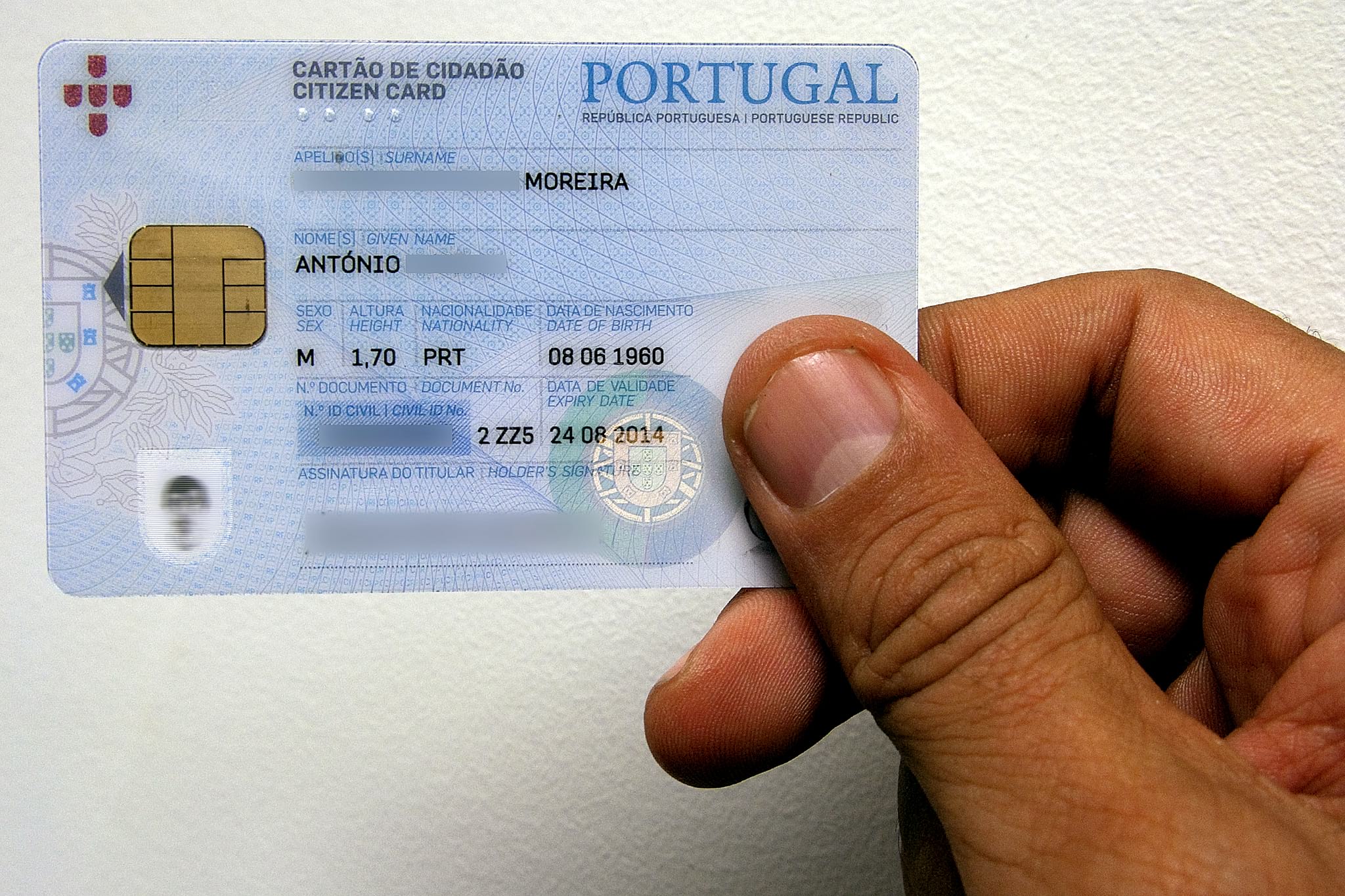
Portuguese Citizen Card (Cartão de Cidadão)
This becomes your official Portuguese identity document. It replaces your residence permit and serves as your primary identification within Portugal.
Portuguese Passport
Once you have your Citizen Card, you can apply for a Portuguese passport. Portugal’s passport consistently ranks among the strongest in the world and allows visa-free or visa-on-arrival access to more than 190 destinations. More importantly, it confirms your status as both a Portuguese and European Union citizen.
Permanent Residence vs Portuguese Citizenship
Many expats wonder whether applying for citizenship is worth it if they already qualify for permanent residence. Although both options provide long-term security, there are important differences.
| Permanent Residence | Portuguese Citizenship |
| Continue renewing residence documentation (where applicable) | No residence permit required |
| Right to live in Portugal | Right to live anywhere in the European Union |
| Not an EU citizen | Full EU citizenship |
| No Portuguese passport | Portuguese passport |
| Limited political rights | Full voting rights |
For expats who see Portugal as their long-term home, citizenship generally offers considerably greater flexibility and security.
Common Mistakes to Avoid
Applying for Portuguese citizenship is a significant milestone, and small mistakes can lead to unnecessary delays. Some of the most common issues include:
Waiting Too Long to Learn Portuguese
Many applicants leave the language requirement until the final year before becoming eligible. Starting early makes the process far less stressful.
Assuming the Old Five-Year Rule Still Applies
One of the biggest sources of confusion today is outdated information online. Many websites still refer to the previous nationality law. Always ensure you’re relying on information that reflects the 2026 legislation.
Missing or Expired Documents
Criminal record certificates and certain civil documents often have limited validity. Submitting outdated documents can delay your application.
Forgetting Apostilles or Certified Translations
Foreign documents frequently require legalisation before Portuguese authorities will accept them. Preparing these well in advance can save months of delay.
FAQ
How many years do I need to live in Portugal before applying for citizenship?
Following the 2026 nationality reform, the general rule is 10 years for most non-EU nationals and 7 years for citizens of EU Member States and CPLP countries.
Can I become Portuguese without speaking Portuguese?
No. Applicants must demonstrate sufficient knowledge of Portuguese, together with other integration requirements introduced by the 2026 reforms.
Does Portugal allow dual citizenship?
Yes. Portugal generally allows dual nationality, although applicants should also verify the rules of their own country.
Do I need to hire a lawyer?
No. Many people complete the process independently. However, professional assistance may be helpful where applications involve complex residence histories, foreign documentation or citizenship by descent.
Can I apply immediately after reaching the required residency period?
You can generally submit your application once you satisfy the legal residency requirement and all other eligibility criteria. Meeting the residency period alone does not automatically result in citizenship being granted.
How long does Portuguese citizenship take?
Processing times vary, but many applicants currently wait between one and two years, with some applications taking longer depending on complexity and administrative workload.
Final Thoughts
Portuguese citizenship remains one of the most valuable long-term goals for many expats who decide to build their lives in Portugal. While the 2026 reforms have made the process more demanding—particularly by increasing the required period of legal residence—they have not changed the fact that Portugal continues to offer a clear and well-defined pathway to naturalisation.
If citizenship is part of your long-term plan, the best approach is to prepare early. Learning Portuguese, keeping your documentation organised and understanding the new legal framework will make the application process significantly smoother when the time comes.
Most importantly, remember that nationality law evolves. Before submitting an application, always check the latest official guidance or seek professional advice if your circumstances are unusual.